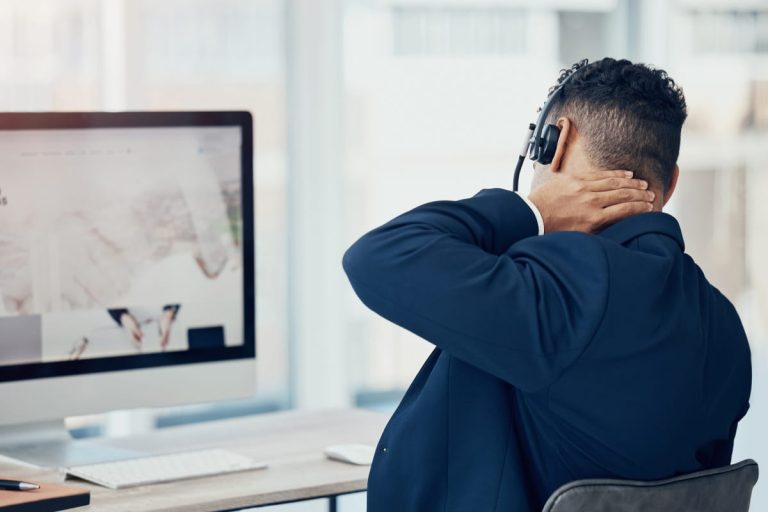
Finding the right office chairs for short people isn’t just about aesthetics. It’s about your body getting the support it actually needs. If you’ve ever sat in a chair where your feet dangle, the armrests feel awkwardly high, or the seat edge digs into the back of your knees, you know exactly what we’re talking about.
Standard office chairs aren’t one-size-fits-all. When your chair doesn’t match your frame, you’re not just uncomfortable. You’re setting yourself up for back pain, poor circulation, and reduced productivity. The right desk chair makes a noticeable difference in how you feel at the end of a workday.
Why size matters when choosing office chairs for short people
Most chairs assume you’ll fit a specific height range. When you don’t, every adjustment feels like a compromise. Your feet might not rest flat on the floor. The seat pan could be too deep, forcing you to choose between back support and leg comfort. Armrests positioned for taller users push your shoulders up, creating tension through your neck and upper back.
These aren’t minor inconveniences. Poor ergonomics affects your posture, which affects everything else. You might find yourself perched on the edge of the seat to reach the floor, eliminating lumbar support. Or you slouch to compensate for a backrest that doesn’t align with your spine’s natural curve. Over time, this leads to musculoskeletal discomfort that could have been avoided with proper seating.
We’ve seen clients who thought they just had “bad backs” discover that their desk chair was the problem all along. Once they switched to properly fitted seating, the difference was immediate.
Common challenges shorter people face with standard office chairs
Let’s get specific about what goes wrong when the chair is too big for your body.
- Feet dangling above the floor is probably the most obvious issue. If your feet are not flat on the floor (or footrest) your base of support is compromised, which can lead to posture issues. Some people try to solve this by lowering the seat height, but that creates new problems with desk reach and arm positioning.
- Pressure on the back of your thighs or knees happens when the seat depth is too long. A seat pan designed for longer legs extends past where your knees naturally bend. This cuts off blood flow, causing discomfort that worsens the longer you sit. You might notice tingling or numbness in your legs after moderate periods at your desk.
- Armrests positioned too high force your shoulders into an unnatural angle. You end up either lifting your shoulders to use them (hello, tension headaches) or avoiding them entirely. Neither option supports proper posture or ergonomic comfort.
- Difficulty maintaining proper posture ties all these issues together. When multiple elements of the chair don’t fit, your body compensates, creating strain. You might lean forward, twist to one side, or sit in positions that feel comfortable initially but cause problems over long hours.
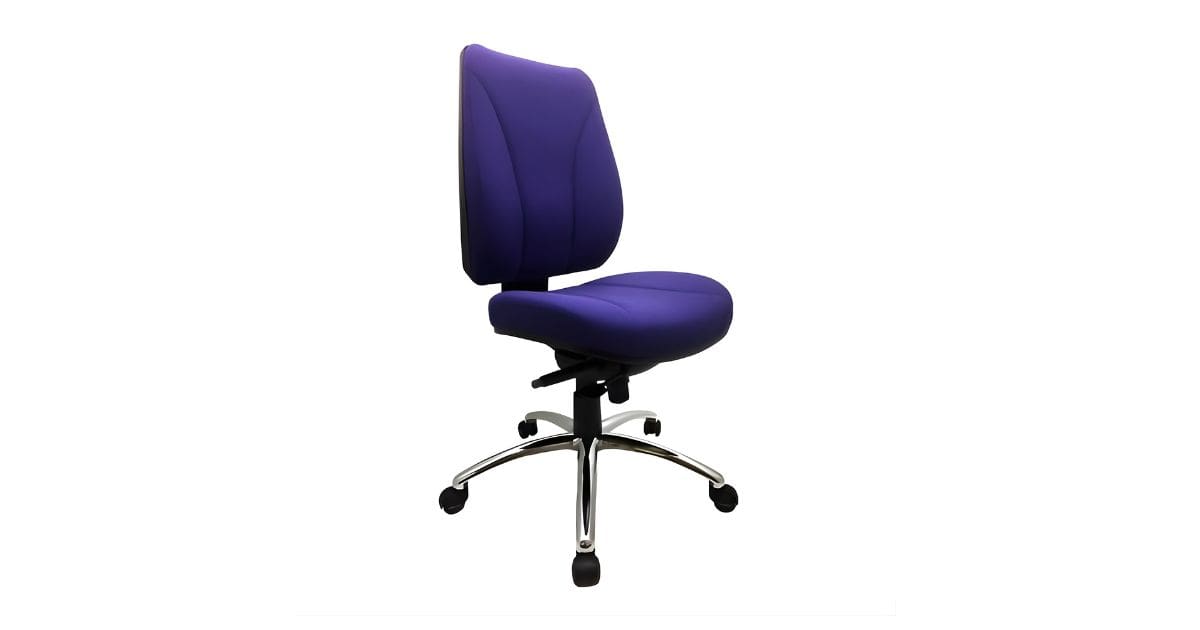
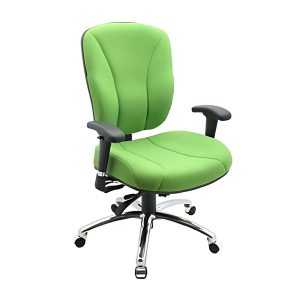
Jade MK1 chair.
Understanding the ergonomic needs of shorter users
Proper sitting posture looks the same regardless of height.
- Your knees should form a 90-degree angle.
- Your feet should sit flat on the floor or a footrest.
- Your hips should roughly align with or slightly above your knees.
- Your back should contact the backrest with your spine in its natural curve.
- Your elbows should rest at desk height without lifting your shoulders.
For shorter individuals, achieving this alignment requires specific chair features.
- Seat height adjustment needs to go lower than the standard range.
- Seat depth needs to be shallower, or at least adjustable, so you can reach the backrest without the seat edge pressing into your legs.
- Lumbar support needs to sit at the right height for your lower back, not where a taller person would be.
The link between poor chair fit and musculoskeletal discomfort is well established. When your body can’t maintain neutral postures, specific muscles work harder than they should, while others weaken from disuse. This imbalance creates pain, stiffness, and fatigue that affect your well-being beyond just work hours.
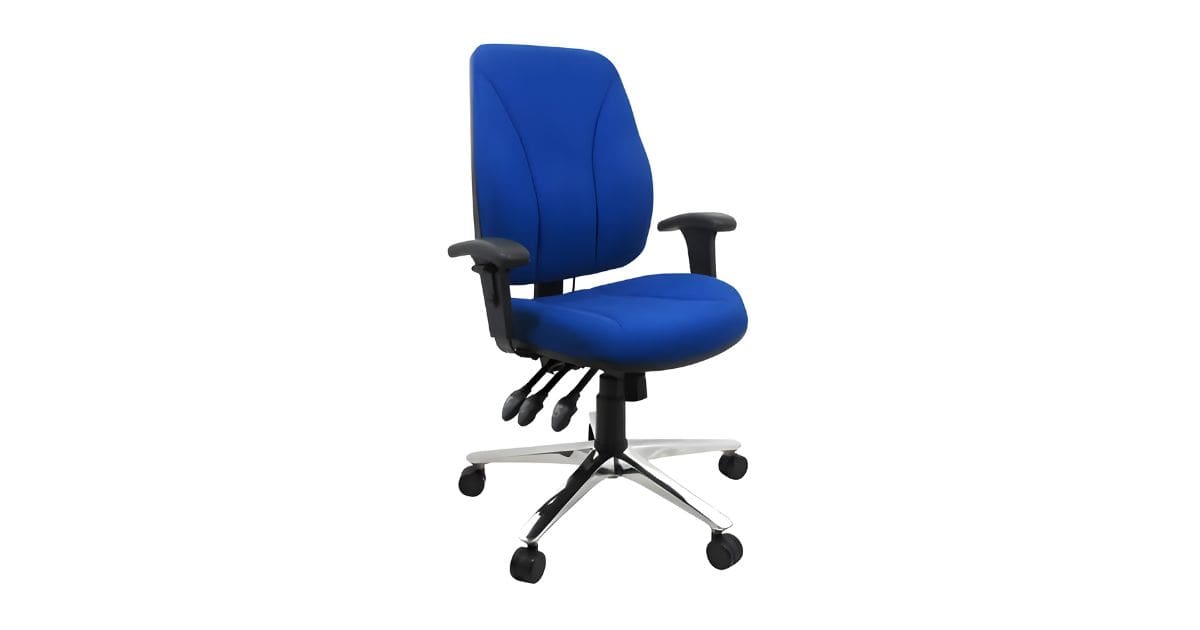
Austen MK1 with arms.
Key features to look for in office chairs for short people
Not all adjustable features are equally important. Here’s what actually matters when you’re shopping for a small office chair.
Adjustable seat height
This is non-negotiable. You need a pneumatic lift mechanism that goes low enough for your feet to rest flat on the floor while maintaining proper desk height.
Shallow seat depth
Seat depth might be the most overlooked feature, but it’s critical for shorter users. A depth of 38-43cm typically works well for petite individuals, compared to standard depths of 48-53cm. Some chairs offer adjustable seat depth, which is ideal. Others are simply built with a shorter seat pan.
The waterfall seat edge design helps here, too. This gentle forward slope at the front of the seat reduces pressure on your thighs, even if the depth isn’t perfectly matched to your leg length.
Lumbar support
Lower back support needs to hit the right spot on your spine. Adjustable lumbar support lets you raise or lower it to match your body’s natural curve. For shorter people, this adjustment range needs to include lower positions than standard chairs offer. Some chairs have built-in lumbar support that works well if it’s positioned correctly for your height.
Adjustable armrests
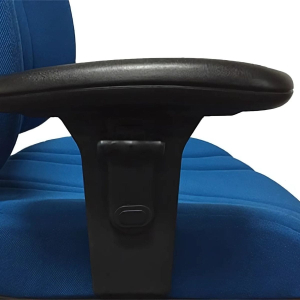
Your arms should rest comfortably with your shoulders relaxed and your elbows at roughly 90 degrees. Armrests that adjust for height are essential. Width adjustment helps too, especially for smaller frames. If the armrests are too broad, you can’t position them where they’re actually helpful.
Footrest compatibility
Even with the best ergonomic office chair, you might still need a footrest for optimal support. If lowering your seat to get your feet flat puts your desk too high, a footrest solves the problem. The Z-Rest Adjustable Footrest works well with most office setups, providing a stable base without compromising desk height.
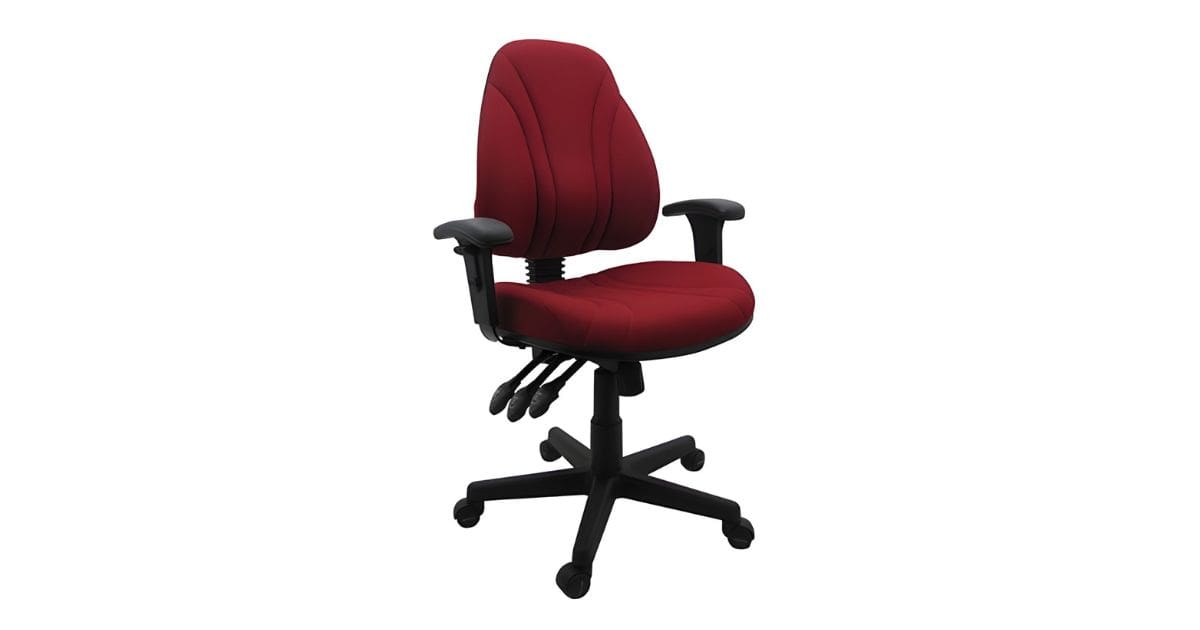
Zenith MK1 with arms.
Recommended office chairs for short people: ARTEIL’s custom solutions
Here’s where things get interesting. While many manufacturers offer “petite” versions of their chairs, we take a different approach. Our custom-made chairs can be built specifically for shorter people, with modifications that go beyond simple adjustment ranges.
| Chair Model | Key Features | Seat Height Range | Seat Depth | Ideal For |
| Sapphire | Custom seat sizing, lower gaslift options, fully adjustable lumbar support | Custom (38-50cm) | Custom (40-45cm) | Petite users needing maximum adjustability |
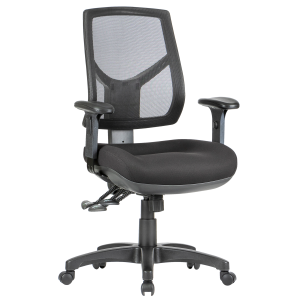
| Gryphon | Mesh back, adjustable seat depth, 4D armrests | Custom (39-51cm) | Adjustable (40-46cm) | Those wanting breathable support with precise adjustments |
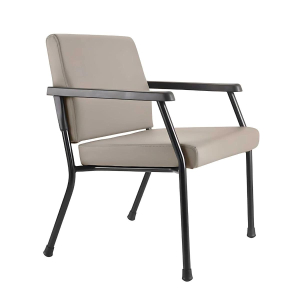
| Austen | Compact size, quality cushioning, clean lines | Custom (38-49cm) | Custom (39-44cm) | Home offices and smaller workspaces |
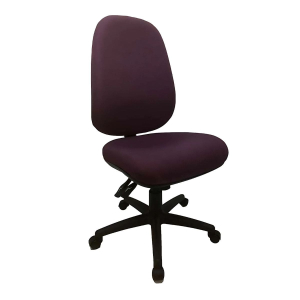
| Jade | Executive styling, soft cushioning, adjustable features | Custom (39-50cm) | Custom (40-45cm) | Professional settings requiring style and comfort |
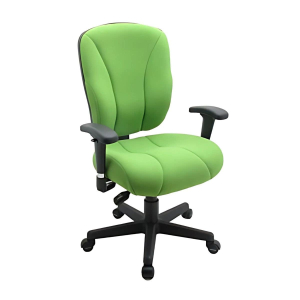
| Zenith | Premium materials, extensive adjustability, optimal comfort | Custom (38-50cm) | Custom (40-46cm) | Users wanting the best ergonomic chairs with custom fit |
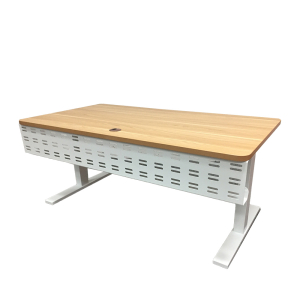
All of these ranges can be customised with lower gaslift mechanisms and seat dimensions that work for shorter frames. If you’re using an Elevate desk that adjusts to lower heights, we can match your desk chair to the same range. For standard desks, the Z-Rest footrest provides the support you need.
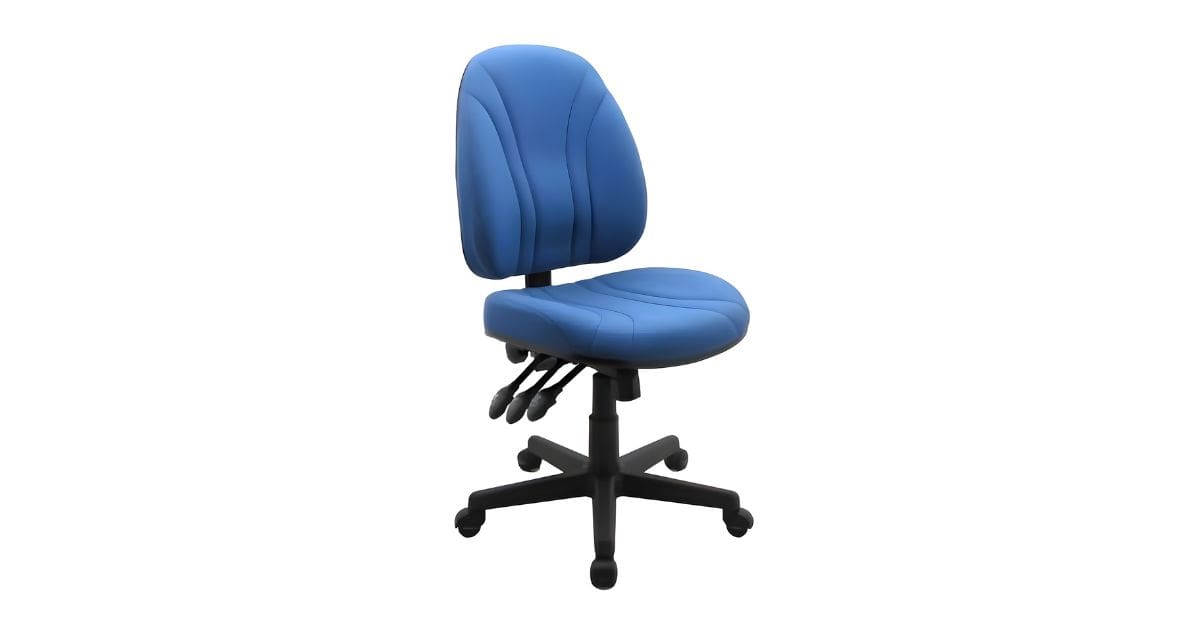
Sapphire MK1.
The Sapphire range offers particularly good value for shorter users who need extensive customisation. The adjustable features let you fine-tune everything from backrest height to armrest positioning. Build quality matches what you’d expect from high-end office chairs, but the customisation options make it specifically designed for your body.
Best types of office chairs for short users
Different work styles need different chair approaches. Here’s how to decide which category best fits your needs.
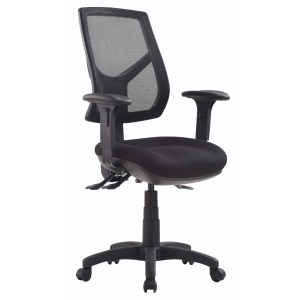
- Ergonomic task chairs handle everyday office work well. They’re built for long periods of sitting with enough adjustability to maintain proper posture. Most of our custom ranges fall into this category. They work equally well in home offices and corporate workplaces.
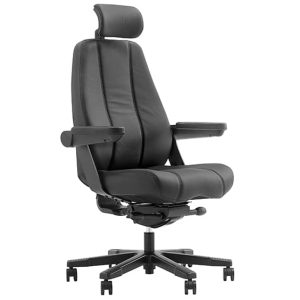
- Executive chairs combine comfort with professional styling. If you’re in client-facing roles or want a chair that looks as good as it feels, executive office chairs like the Gryphon Executive deliver. You don’t sacrifice ergonomic support for style; you get both.
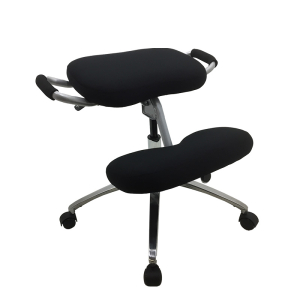
- Kneeling chairs promote active sitting by distributing body weight differently. They’re not for everyone, but some shorter people find a kneeling chair incredibly comfortable for tasks that require focus. They naturally encourage better posture without the need for back support.
- Petite office chairs are specifically designed for smaller frames. Rather than trying to make a standard chair work through adjustments, these start with dimensions suited to shorter people. Our custom chairs can be made petite when built to your specifications.
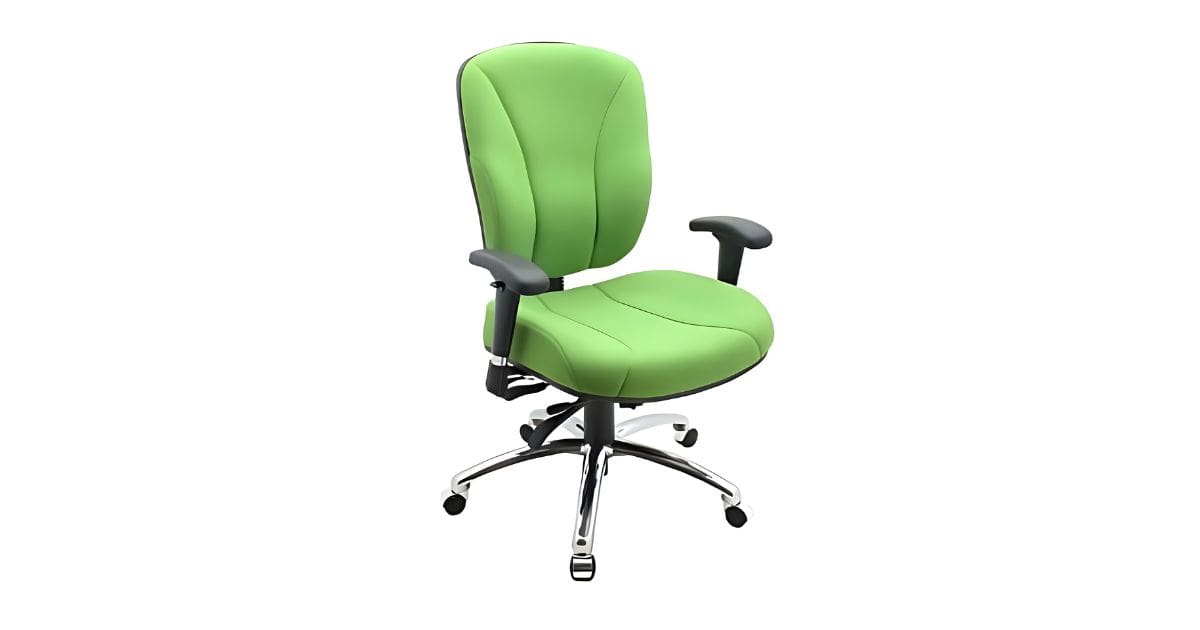
Gryphon Executive.
How to adjust your chair for proper ergonomic alignment
Getting the adjustments right makes the difference between a decent chair and the perfect ergonomic office chair for your body. Here’s how to set things up properly.
1. Start with seat height
Sit fully back in the chair with your feet flat on the floor. Your thighs should be roughly parallel to the ground, with a natural angle at your knees (90-100 degrees). If you can’t achieve this with the chair alone, add the footrest.
2. Adjust seat depth
You want just the right amount of space between the back of your knees and the seat edge. Aim for about two to three finger widths. This gives you full back support without pressure on your legs.
3. Position the backrest
The lumbar support should sit in the curve of your lower back. You might need to adjust both height and depth (if your chair allows) to get this right. When it’s correct, you’ll feel supported without feeling pushed forward.
4. Set armrest height
Keep your shoulders relaxed with your elbows at roughly 90 degrees. The armrests should support your forearms without forcing your shoulders up. If they’re in the way or feel awkward, you might need to adjust the width, too.
5. Check your posture
Sit back fully with your spine against the backrest. Your head should balance naturally over your shoulders, not jutting forward. Your monitor should be at eye level so you don’t have to tilt your head up or down. Your keyboard and mouse should be close enough that you don’t reach forward.
If something still feels off after adjusting, that’s feedback. Maybe the chair isn’t quite right for your body, or perhaps you need accessories like a lumbar cushion or ergonomic mat to complete the setup.
Common mistakes to avoid when buying office chairs for short people
We’ve seen people make the same errors repeatedly. Avoiding these will save you time, money, and discomfort.
- Choosing style over comfort is tempting, especially with stylish chairs that look great in showrooms. But if it doesn’t fit your body well, you won’t want to sit in it for long. Function comes first. You can find chairs that look good and fit well, but fit matters more.
- Ignoring seat depth and adjustability happens because people focus on height adjustment and assume that’s enough. For shorter individuals, seat depth might actually be more critical. A chair that goes low enough but has a seat pan that’s too deep still won’t work correctly.
- Overlooking return policies and trial periods is risky when purchasing furniture. You need time to test whether a chair truly works for your body. Some discomfort issues only appear after prolonged sitting. Make sure you can return or exchange the chair if it doesn’t work out.
- Buying without testing is particularly problematic for shorter people. What works for someone else might not work for you, even if you’re of similar height. Bodies vary. If possible, try the chair before committing. Visit our O’Connor showroom to test different options and find chairs that suit your frame.
- Assuming “one-size-fits-all” adjustability will work for you. Many chairs claim extensive adjustability but still don’t go low enough or shallow enough for petite users. Check the actual specifications, not just the marketing claims.
Comfort starts with the right fit
Finding an ergonomic office chair for short people that actually fits shouldn’t feel like searching for something that doesn’t exist. The right chair supports your body correctly, reduces strain, and lets you work comfortably through your day. It’s a worthwhile investment in your health and productivity.
The key features matter: adjustable seat height that goes low enough, shallow seat depth or depth adjustment, proper lumbar support positioned for your spine, and armrests that work with your frame. When you get these elements right, sitting becomes comfortable rather than something you endure.
We’ve built chairs for all body types, including many for shorter people who struggled to find proper fits elsewhere. Custom options let us match the chair to your specific needs rather than relying on standard adjustments. Whether you choose the Sapphire, Gryphon, Austen, Jade, or Zenith range, we can customise it to fit your body.
Your workspace should support your wellbeing, not work against it. The right chair is part of that equation, along with proper desk height, monitor positioning, and work habits. If you’re ready to explore options that actually fit your frame, get in touch with our team. We’ll help you find the perfect fit.
And if you’re curious about how chair selection differs for taller individuals, check out our guide on office chairs for tall people to understand the full spectrum of ergonomic considerations.
Frequently asked questions
When your chair doesn't fit your body, you can't maintain proper posture. This leads to lower back pain, poor circulation, shoulder tension, and fatigue. A properly fitted chair supports your spine's natural curve, keeps your feet stable, and reduces strain throughout your body.
Most shorter individuals need a seat height between 38 and 42cm from the floor. This allows feet to rest flat while maintaining proper desk height. Standard office chairs often only go down to 45cm, which is too high for many petite users.
A seat depth of 38-43cm typically works well for shorter people, compared to the standard 48-53cm. You should have about two to three finger widths between the back of your knees and the seat edge when sitting fully back.
Your feet should rest flat on the floor or footrest. Your knees should form a 90-degree angle with thighs roughly parallel to the ground. Your back should contact the backrest with lumbar support in the right spot. Your elbows should rest at desk height, with your shoulders relaxed. If any of these don't work, the fit isn't right.
Yes, a footrest provides the stable base you need when lowering your chair enough to keep your feet flat, which would put your desk too high. It's often part of the solution for shorter people using standard-height desks with ergonomic chairs.
Petite office chairs are built with shorter seat heights, shallower seat depths, and adjustment ranges suited to smaller frames. Standard chairs assume average height ranges and often don't adjust enough for shorter users. Custom chairs can be built to petite specifications while maintaining quality and adjustability.