
Office chair neck support plays an integral role in how your body feels and performs throughout long workdays. If you regularly experience neck strain or shoulder pain at the end of the day, your seating setup is often the cause. Hours spent leaning forward or staring at a screen place constant strain on your neck and upper spine.
A custom-built office chair with an ergonomic design can reduce this strain by supporting your head, neck, and spine together. With proper ergonomic support, your body stays aligned, your muscles work less, and your focus improves throughout extended work sessions.
What is office chair neck support?
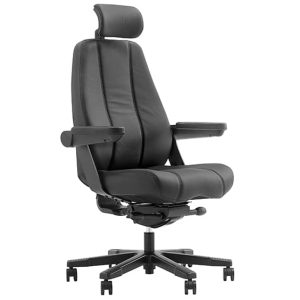
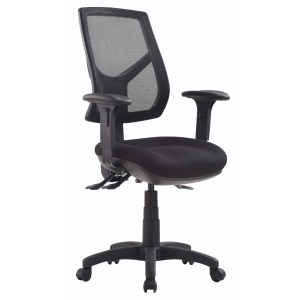
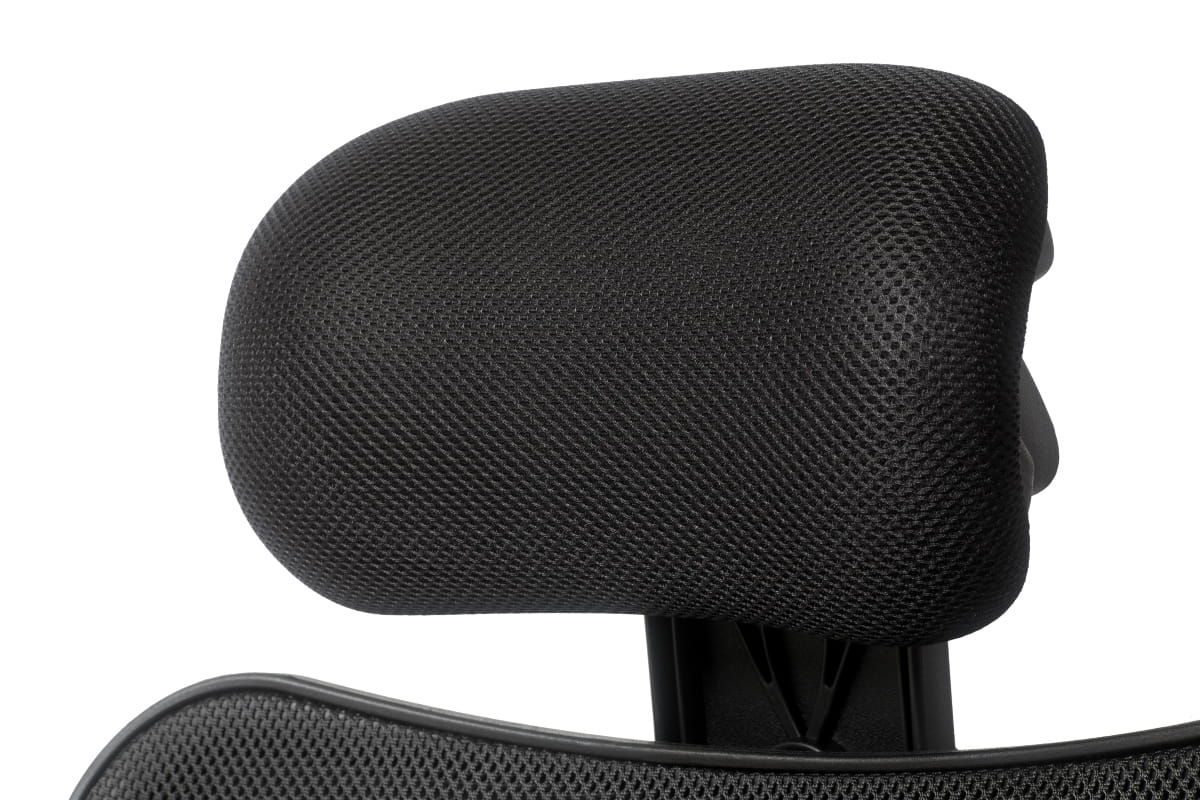
Office chair neck support refers to a built-in headrest or cervical cushion that supports the natural curve of your neck. Unlike standard desk chairs that stop at shoulder height, ergonomic office chairs extend upward to support your head in a neutral position.
This support reduces the load on your cervical spine and helps prevent neck and shoulder pain caused by forward-head posture.
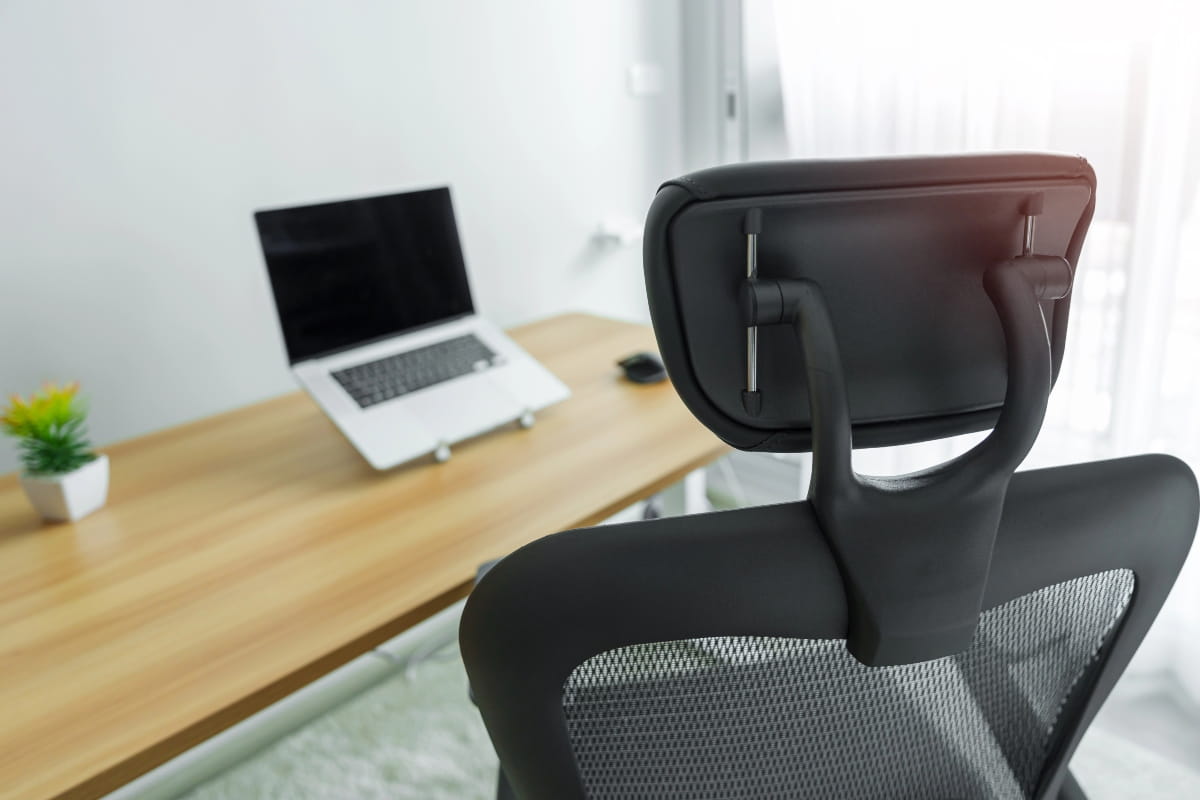
Most ergonomic office chairs include an adjustable headrest that can:
- Slide up or down to match your height
- Tilt or pivot to support different sitting angles
- Move forward or back to suit your posture
When adjusted correctly, the headrest supports the base of your skull without pushing your head forward or forcing your chin down.
Why neck support is not optional
When your head moves forward even slightly, the pressure on your neck increases significantly. This leads to muscle fatigue, stiffness, and long-term discomfort.
The office chair neck support acts as a counterbalance. It keeps your head aligned with your spine and allows your muscles to relax instead of constantly working to hold you upright. Over time, this reduces neck strain and improves comfort across your entire upper body.
5 benefits of proper office chair neck support for everyday work
The right neck support on an office chair can improve comfort, posture, and productivity. Below are five key benefits that make a noticeable difference during long workdays.
1. Reduces neck and shoulder pain
Your head weighs around five kilograms. When you lean forward to read emails or look at a screen, that weight places extra pressure on your neck muscles.
An ergonomic chair design with an adjustable headrest helps by:
- Supporting your head during upright and reclined positions
- Reducing muscle tension in your neck and shoulders
- Allowing brief moments of rest throughout the day
This is especially helpful during extended work sessions or video meetings, where static posture causes fatigue to build quickly.

2. Improves posture and spinal alignment
Maintaining proper spinal alignment starts at the top of the spine. When your neck is supported, your shoulders naturally settle back, and your chest opens.
Ergonomic office chairs with both neck support and adjustable lumbar support help:
- Maintain proper spinal alignment from head to hips
- Reduce slouching and forward leaning
- Support the natural curves of the spine
The most ergonomic office chairs combine adjustable headrests, lumbar support, and adjustable seat depth. This ensures your entire spine stays supported, not just one section.
3. Reduces tension headaches and eye strain
Poor neck posture often contributes to tension headaches that start at the base of the skull. Forward-head posture also forces your eyes to work harder, increasing eye strain.
Office chair neck support helps by:
- Keeping your head level with your screen
- Reducing compression in neck muscles
Supporting healthy circulation and focusWhen your gaze aligns naturally with your monitor, your neck and eyes experience less fatigue throughout the day.

4. Boosts focus and productivity
Discomfort is distracting. Shoulder and neck pain diverts your attention from work and disrupts concentration.
A comfortable chair with ergonomic support allows you to:
- Stay focused for longer periods
- Move naturally without losing support
- Reduce the need for constant repositioning
Ergonomic office furniture supports productivity by reducing physical distractions and keeping your body relaxed while you work.
5. Encourages healthy postural habits over time
Using a chair with proper neck support helps train your body to maintain better posture, even outside the office.
Over time, you may notice:
- Improved sitting posture without conscious effort
- Less tension when standing or walking
- Reduced reliance on exercises, stretching or adjustments
This long-term benefit makes office chair neck support a practical investment, not just a short-term comfort solution.
How to choose the right office chair neck support
Not all headrests offer the same level of support. Choosing the best ergonomic office chairs means assessing how well they fit your body and work style.
Prioritise adjustability
An adjustable headrest is essential. Look for:
- Height adjustment
- Tilt and pivot movement
- Forward and backward positioning
This ensures the headrest supports your neck without forcing your posture.
Consider seat and lumbar support
Neck support works best when paired with:
- Adjustable lumbar support
- Adjustable seat depth
- Proper seat height and backrest recline
Together, these features create full ergonomic support from your lower back to your neck.
Choose the right materials
Material choice affects comfort and durability:
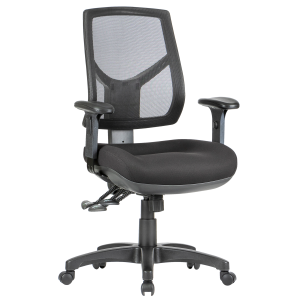
- Office chairs with mesh headrests improve airflow and stay cool
- Padded headrests offer softer contact for longer use
Both options work well. The best choice depends on your environment and personal comfort preferences.
Match the office chair to your workspace
Your office chair should suit both your body and your workspace:
- Home offices may prioritise compact design and aesthetics
- Corporate offices often require durability and executive chairs
- Shared or co-working spaces benefit from heavy-duty ergonomic office chairs
Weight capacity and build quality matter, especially for frequent or extended use.
Finding the right fit for your workspace
Choosing ergonomic office chairs with proper neck support is about more than ticking the ergonomics box. It is about finding a chair that supports how you work every day.
The best ergonomic office chair adapts to your body, helps maintain proper spinal alignment, and remains comfortable throughout extended work sessions. When paired with an adjustable desk, lumbar support and seat depth, it becomes a long-term solution for comfort and well-being.
If possible, test chairs in person to:
- Adjust the headrest and backrest
- Check seat depth and lumbar support
- Feel the difference between a standard desk chair and a fully ergonomic office chair
This hands-on approach helps ensure the chair fits your body and your work habits.
Take the next step towards better support
Whether you’re managing a team, working from home, or outfitting a new office, the right chair makes a tangible difference in how you feel at the end of the day.
Ergonomic office chairs are an investment in comfort, health, and productivity. Office chair neck support reduces strain, improves posture, and helps you stay focused throughout the day.
If you’re ready to upgrade your seating, explore our range of ergonomic office chairs or visit our O’Connor showroom. If you’re not sure what you need, contact our team, who will help you find an office chair that suits your body and work style.
Frequently asked questions
A good ergonomic chair for neck pain features an adjustable headrest that supports your neck's natural curve, keeping your head in a neutral position. It should also offer adjustable lumbar support and seat depth to maintain proper spinal alignment from your lower back up to your cervical spine.
Yes. Tension headaches often start when tight neck muscles compress the sub-occipital region at the base of your skull. An adjustable headrest reduces that compression by supporting your head and keeping your neck aligned, which can help prevent or reduce the frequency of tension-related headaches.
Most adjustable headrests can be moved up or down, tilted, and sometimes pivoted forward or back. Start by sitting in your normal working position, then adjust the headrest so it cradles the base of your skull without pushing your head forward. You should be able to rest your head comfortably while keeping your eyes level with your monitor.
Yes. Mesh office chairs offer breathability, which helps keep you cool during long work sessions. When paired with an adjustable headrest, they provide both comfort and support, making them a practical choice for all-day use, especially in warmer climates like Perth.
Lumbar support is important, but it only addresses your lower back. A neck-support chair provides full spinal support while keeping your head and neck aligned. When both features work together, you're more likely to maintain proper spinal alignment and reduce overall strain.